



spiking is a crime that involves drugging a person without their knowledge in order to manipulate or assault them.
In addition to the physical consequences, victims of spiking can suffer from serious psychological aftereffects.
Psychological trauma
Being drugged and assaulted against one's will can cause deep psychological trauma. Victims may experience:
- A constant feeling of fear and insecurity
- Flashbacks and nightmares
- Anxiety disorders and depression
- Feelings of guilt and shame
- Difficulty trusting others
- Memory and concentration problems
The feeling of loss of control
spiking strips the victim of their free will and their ability to defend themselves.
This feeling of loss of control can be extremely traumatic and can have profound consequences on the victim's mental health.
Feelings of shame and guilt
Victims of spiking may feel ashamed and guilty about what happened to them.
They may feel responsible for the assault, which can aggravate symptoms of post-traumatic stress.
The fear of reliving the experience
The fear of reliving the experience of being drugged can be very debilitating for victims.
They may be afraid to go out, meet new people, or find themselves in social situations.
The long road to recovery
The healing process after a spiking can be long and difficult.
It is important for victims to seek support from mental health professionals who specialize in trauma.
Support groups can also be helpful for victims of spiking.
How to protect yourself?
There are ways to protect yourself against spiking:
- Never leave your drink unattended.
- Do not accept drinks from people you do not know or trust.
- If you feel that your drink has been spiked, do not drink it.
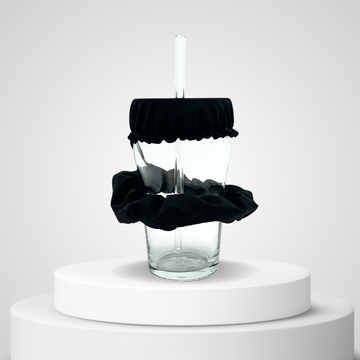
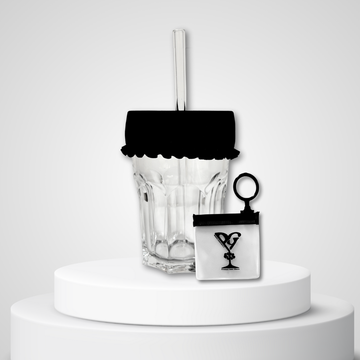
- Use a drink-covering scrunchie or a drink cover to protect your drink.
If you believe you have been a victim of spiking, it is important to see a doctor immediately and file a report with the police.


