




Traveling is often synonymous with discovery and pleasure, but it also carries risks, particularly that of spiking. This phenomenon, which consists of administering psychoactive substances to a person without their knowledge, is on the rise in certain tourist contexts. Understanding these dangers and adopting the right reflexes can make all the difference in enjoying your vacation safely.
Why are tourists targets?
Tourists are often considered easy targets for several reasons:
-
Unfamiliarity with the location: In an unknown country or city, tourists may not be aware of high-risk areas or local customs.
-
Relaxation and disinhibition: On vacation, we tend to let our guard down, try new things, and mingle with strangers.
-
Language barriers: Communication difficulties can make it harder to ask for help or detect suspicious behavior.
-
Appearance of wealth: Tourists are often perceived as having money, which can entice criminals to target them for theft or scams.
High-risk situations while traveling
Certain tourist contexts increase the chances of encountering situations involving spiking:
-
Popular bars and clubs: Festive venues, frequented by both locals and tourists, are often conducive to interactions with strangers.
-
Beach or boat parties: These events are sometimes isolated, which makes victims more vulnerable.
-
Free drink offers or promotions: Some invitations may hide malicious intentions.
-
Shared transport: Unofficial taxis or ride-sharing apps can also be exploited by ill-intentioned individuals.
Potential consequences
The consequences of spiking while traveling can be serious:
-
Sexual assault: The primary goal of perpetrators of spiking often remains abusing victims.
-
Theft: Certain substances are used to stun victims and steal their belongings.
-
Psychological trauma: Even without direct physical consequences, these experiences can leave a lasting mark on victims.
Precautions for safe travel
-
Protect your drinks:
-
Never leave your drink unattended.
-
Prefer opening your own bottles.
-
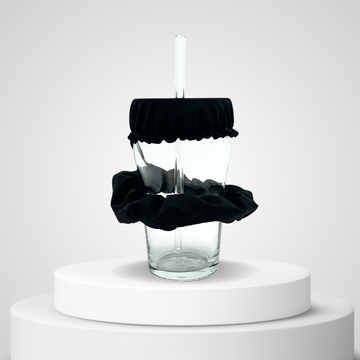
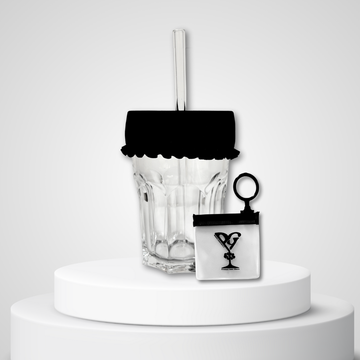
Use covers for glasses or bottles.
-
-
Choose safe places:
-
Favor bars and clubs with a reputation for safety.
-
Avoid places that are too isolated or crowded without surveillance systems.
-
-
Remain vigilant:
-
Keep an eye on your friends and travel in groups as much as possible.
-
Avoid invitations from strangers to private places.
-
-
Do your research before you leave:
-
Consult guidebooks or traveler forums to identify local risks.
-
Learn a few key phrases in the local language to ask for help.
-
-
Use safety apps:
-
Some apps allow you to share your location in real-time with loved ones.
-
What to do if you have doubts?
If you think you have been exposed to a substance:
-
Alert a trusted person or the staff on-site immediately.
-
Find a safe place to wait until you have regained your senses.
-
Consult a healthcare professional as soon as possible for screening and medical follow-up.
-
Report the incident to local authorities.
Conclusion
The risk of spiking while traveling is real but can be reduced through increased vigilance and simple precautions. As a tourist, your safety largely depends on your ability to remain attentive to risky situations. By adopting the right reflexes, you can fully enjoy your adventures while avoiding dangers.
Receive our prevention tips
Every month, get simple safety tips, useful resources and the latest Protect Your Glass news for safer nights out.


