




spiking, an alarming phenomenon involving the use of psychoactive substances without the victims' knowledge, raises crucial questions about the motivations and profiles of the perpetrators of these acts. Understanding who these individuals are and what drives them to act is essential for developing effective preventive strategies.
Varied profiles but similar behaviors
Perpetrators of spiking do not fit a single profile. They can come from diverse socioeconomic backgrounds, have different levels of education, and have heterogeneous life paths. However, they often share certain behavioral traits:
-
Premeditation and opportunism: Perpetrators plan their acts by targeting conducive environments, such as bars, clubs, or private parties. They exploit moments of victim vulnerability.
-
Search for control and domination: spiking is often a means of gaining the upper hand over a person, whether to commit sexual assault, theft, or simply to exert unhealthy power.
-
Absolution of responsibility: Some perpetrators trivialize their acts, considering that they do not cause "real" harm. This minimization can be amplified by a normalization of drug use in nightlife settings.
Motivations behind the acts
The motivations of perpetrators of spiking vary, but certain reasons recur frequently:
-
Criminal motives: A significant portion of spiking is linked to sexual assault. The substances are used to make victims incapable of resisting or remembering the events.
-
Seeking profit: In some cases, spiking is used to steal money or valuables. Victims are drugged to be robbed without opposition.
-
Deviant recreational behavior: Although rare, some individuals act without an apparent motive, finding a form of perverse pleasure in manipulating or harming others.
Contributing factors
Several elements help explain why these acts occur:
-
Accessibility of substances: The drugs used, such as GHB or benzodiazepines, are often easy to obtain and difficult to detect, both by taste and by smell.
-
Anonymity and low risk of being caught: Overcrowded nightlife environments and the lack of tangible evidence (substances are rapidly metabolized by the body) make identifying perpetrators complicated.
-
Culture of impunity: The silence of victims, often due to shame or fear of not being believed, encourages these behaviors.
Taking action to prevent
To counter this phenomenon, it is essential to:
-
Raise public awareness about the risks and signs of spiking.
-
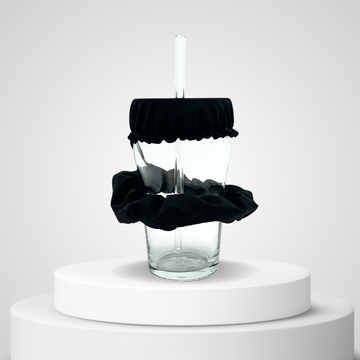
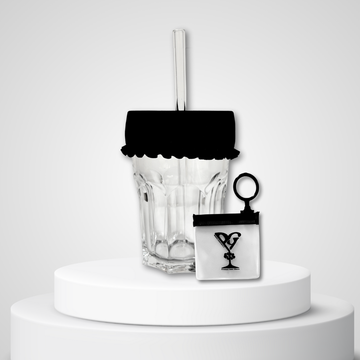
Strengthen surveillance in nightlife venues, through cameras, trained staff, and protections such as anti-spiking drink covers.
-
Improve laws and sanctions to discourage these acts.
-
Encourage victims to come forward, by offering them appropriate psychological and legal support.
Conclusion
Understanding the profile and motivations of perpetrators of spiking is an essential step in the fight against this scourge. By combining education, prevention, and sanctions, it is possible to reduce these acts and better protect individuals in public and nightlife spaces. Every action counts in creating a safer environment for everyone.


