



Partying is about relaxation and socializing, but it can also involve risks, including drink spiking. Adopting the right habits to protect yourself is essential. Here are the most common mistakes that increase the risk and how to avoid them.
1. Leaving your drink unattended
One of the most frequent mistakes is taking your eyes off your drink, even briefly. This gives a malicious person the opportunity to introduce a substance into it.
How to avoid it:
-
Always keep your drink in your hand.
-
If you have to step away, ask a trusted person to watch it or get a fresh drink.
-
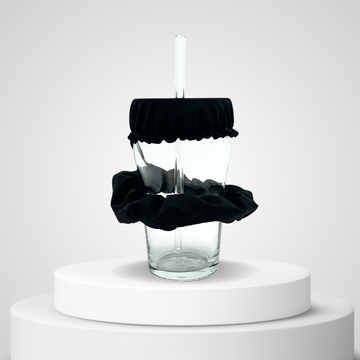
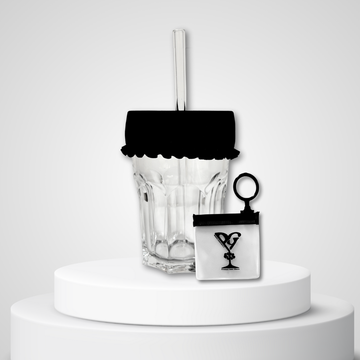
Use anti-spiking devices like lids or drink covers.
2. Accepting drinks from strangers
Accepting a drink offered by someone you don't know might seem harmless, but it is impossible to verify what it contains.
How to avoid it:
-
Prefer ordering your drinks directly at the bar.
-
Politely decline drinks from strangers, even if they insist.
3. Sharing drinks or bottles
Sharing a bottle or glass can be risky, especially if someone discreetly adds a substance to it.
How to avoid it:
-
Only consume your own drink or bottle.
-
Ensure that bottles are opened in front of you.
4. Ignoring physical warning signs
An unusual sensation (extreme drowsiness, dizziness, confusion) may indicate that you have been drugged. Many ignore these signs, attributing them to fatigue or alcohol.
How to react:
-
If you feel any abnormal symptoms, alert a friend or security staff immediately.
-
Find a safe place and ask for help.
5. Getting isolated
Wandering away from your group or finding yourself alone at a party increases the risk of being targeted.
How to avoid it:
-
Stay with trusted friends and agree on meeting points.
-
Avoid leaving a venue without letting someone know.
6. Downplaying the importance of protection
Many people consider protective devices like drink covers or bottle stoppers to be unnecessary or excessive.
Why it's a mistake: These protections can make all the difference and deter an attempt at drink spiking.
How to use them:
-
Invest in protections that fit your habits (lids, bottle stoppers).
-
Use them consistently, especially in crowded environments.
7. Trusting everyone
Assuming that everyone has good intentions can expose you to risks, even in familiar circles.
How to reduce the risk:
-
Be vigilant, even with recent acquaintances.
-
Watch out for your friends as well, and intervene if they seem vulnerable.
8. Consuming alcohol or substances without moderation
Excessive consumption reduces your alertness and your ability to detect suspicious behavior.
How to protect yourself:
-
Set clear limits for yourself before going out.
-
Alternate alcoholic and non-alcoholic drinks to stay alert.
Conclusion
By avoiding these common mistakes and adopting vigilant habits, you can significantly reduce the risk of drink spiking on nights out. Prevention begins with individual and collective awareness. By protecting yourself, you help create a safer environment for everyone.


