



An underestimated scourge
spiking, also known as "date rape," refers to the administration of psychoactive substances to a person without their knowledge to make them vulnerable and assault them. GHB (gamma-hydroxybutyrate) is one of the most common drugs used for this purpose, but other substances can also be used, such as benzodiazepines or antihistamines.
A real danger
The consequences of spiking can be severe: loss of consciousness, amnesia, coordination problems, nausea, vomiting, and in the most serious cases, coma or death. Furthermore, victims are exposed to an increased risk of sexual assault or theft.
Raising awareness to better prevent
Unfortunately, spiking remains a largely unknown phenomenon. It is therefore essential to raise public awareness of this danger, particularly among the populations most at risk, such as young women.
Simple steps to protect yourself
Several measures can be taken to limit the risks of spiking:
- Never leave your drink unattended.
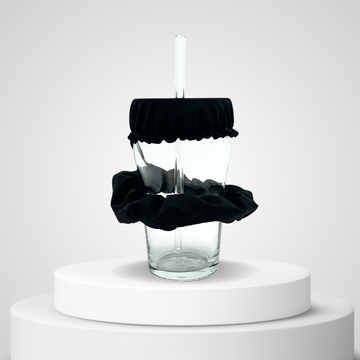
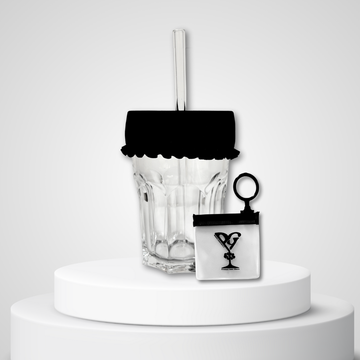
- Use a "drug-prevention scrunchie" or a "drink cover" to protect your drink.
- Stay vigilant for warning signs: strange taste, sudden feeling of intoxication, blurred vision.
- In case of doubt, do not consume the drink and alert the authorities.
Mobilizing professionals
Health, security, and justice professionals must also be trained on spiking in order to better identify victims and provide them with adequate care.
"#MendorsPas" (#DontFallAsleep): a campaign to break the silence
In France, the "#MendorsPas" campaign aims to raise women's awareness of spiking. This campaign shares testimonials and information to encourage victims to speak out and file a complaint.
Combating spiking is a societal challenge. By raising public awareness and encouraging victims to come forward, we can break the silence and help make prevention a true bulwark against this crime.


