



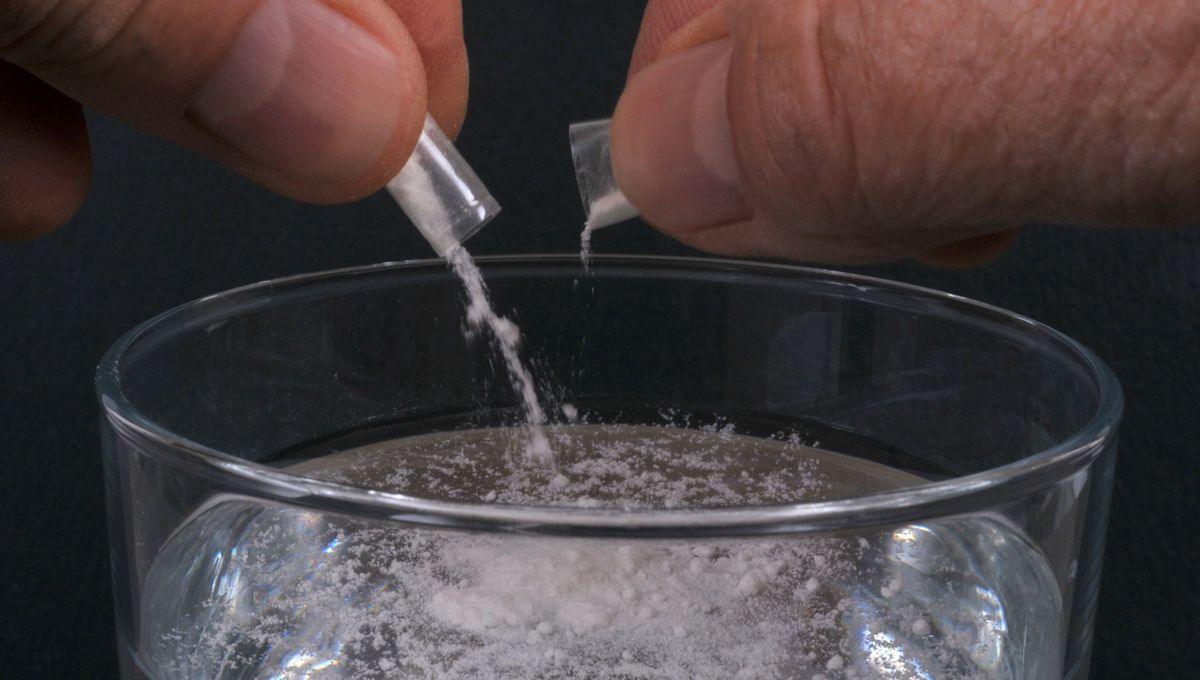
spiking, the criminal practice of administering a psychoactive substance to a person without their knowledge, is a growing scourge. Victims, often left helpless after such an event, nonetheless have access to several remedies and support systems to overcome this ordeal. This article explores the essential steps and support structures available to them.
1. Recognizing the situation and reacting quickly
After a suspicious episode, it is vital to act quickly to preserve evidence and gain access to medical care:
- Keep the suspicious drink: If possible, keep the glass or any container that may have been contaminated for potential analysis.
- Consult a doctor: An immediate medical examination is crucial. It will allow for the detection of substances in the system. Be aware that certain drugs, such as GHB, disappear quickly (in about 12 hours).
- Inform the authorities: Filing a complaint as soon as possible will allow an investigation to be launched and ensure access to legal support.
2. Legal procedures for victims
Victims of spiking can take several legal actions:
Filing a complaint
It is essential to report the assault to law enforcement (police or gendarmerie). When filing the complaint, describe the symptoms felt, the circumstances, and provide any probative evidence (testimony, objects, videos).
Having your status as a victim recognized
Once evidence has been collected, the status of a crime victim can grant entitlement to various measures:
- Coverage of medical expenses related to the assault.
- Access to aid funds for victims via the Commission for the Compensation of Victims of Crimes (CIVI).
Taking legal action against the perpetrator
If a suspect is identified, criminal proceedings can be initiated for poisoning or sexual assault, with sentences of up to 20 years' imprisonment.
3. Support and assistance structures
Recovering after such an event can be difficult. Fortunately, several organisations offer psychological, social, and legal support:
Victim support associations
- France Victimes: This organisation offers psychological support, legal advice, and assistance for all administrative procedures.
- SOS Viols Femmes Informations (SVFI): Specialized in helping victims of sexual assault, SVFI has a free, anonymous helpline (0 800 05 95 95).
Care and counseling centers
- Centres Médico-Psychologiques (CMP): These facilities offer free consultations with psychologists or psychiatrists.
- Unités médico-judiciaires (UMJ): Located in many hospitals, they perform post-assault medical examinations and collect evidence for investigations.
Emergency numbers and helplines
- 17: To report an ongoing assault.
- 116 006: A line dedicated to victim support.
- 3919: The national hotline for women victims of violence, accessible 24/7.
4. Preventing recurrence and protecting yourself
Victims of spiking may develop a sense of insecurity. Here are some measures to reduce the risks:
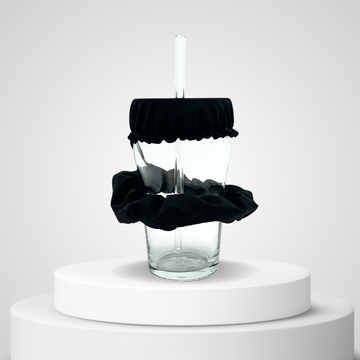
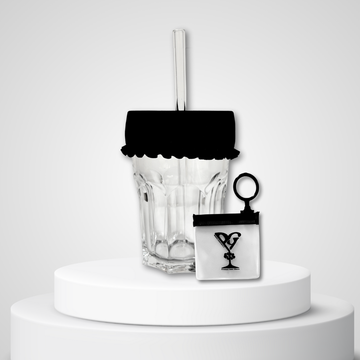
- Use protective devices: Anti-spiking scrunchies or drink covers provide an effective barrier against illicit substances.
- Travel in groups: Collective vigilance is a powerful weapon against assault.
- Participate in awareness campaigns: Informing those around you about the dangers and means of prevention helps reduce these criminal acts.
5. Breaking the silence and raising awareness
It is important to speak out, not only to help punish the perpetrators but also to raise public awareness. Victim testimonials play a key role in prevention and encourage others to seek help.
Conclusion
Being a victim of spiking is a difficult ordeal, but remedies and support exist. Medical, legal, and psychological procedures enable victims to regain their balance and obtain justice. By staying informed and acting collectively, it is possible to effectively combat this scourge.


