



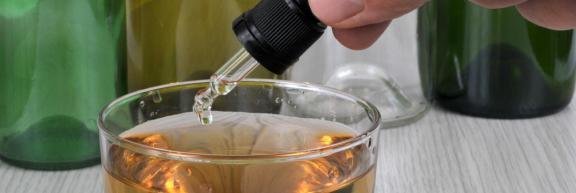
spiking, defined as the administration of psychoactive substances to a person without their knowledge for criminal purposes, is a worrying reality in France. Recent data from the French National Agency for the Safety of Medicines and Health Products (ANSM) highlight the growing scale of this phenomenon.
Rising figures
According to the national survey conducted in 2022, 2,197 reports were submitted to the expert center. Following assessment, 1,229 cases of substance-facilitated assaults (SFA) were confirmed, marking a 69.1% increase compared to the previous year. ANSM
Most frequently involved substances
The psychoactive substances commonly used in cases of spiking include:
-
Benzodiazepines: Anxiolytic and hypnotic medications, such as Rohypnol, Xanax, or Valium, causing sedation, mental confusion, and temporary amnesia.
-
GHB (gamma-hydroxybutyrate): Known as the "date rape drug," it acts rapidly by causing loss of consciousness, amnesia, and a decrease in inhibitions.
-
Antihistamines and other sedatives: In high doses, these medications can lead to excessive drowsiness, dizziness, and loss of control.
High-risk settings and victim profiles
Assaults involving spiking occur mostly in social settings: parties, festivals, and nightclubs. Victims are often young adults, with a predominance of women. However, it is crucial to note that this phenomenon can affect anyone, regardless of age or gender.
Prevention measures and ANSM recommendations
Faced with this alarming reality, the ANSM has initiated new measures in 2025 to reduce the risk of drug misuse:
-
Strengthened surveillance: Implementation of increased monitoring of prescriptions and the distribution of substances with potential for misuse.
-
Raising awareness among healthcare professionals: Training and information on the risks of spiking and the clinical signs to recognize.
-
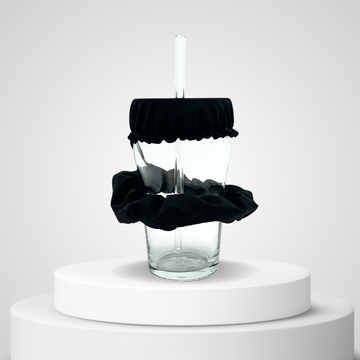
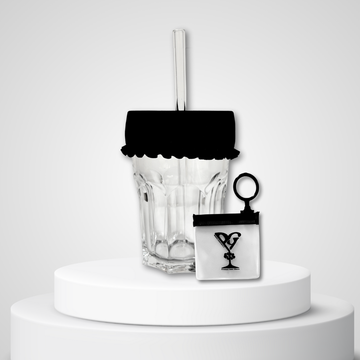
General public information: Prevention campaigns to raise awareness of dangers and protective measures, such as monitoring one's drink and using protective devices like anti-spiking scrunchies or drink covers.
Conclusion
Recent statistics reveal a concerning increase in cases of spiking in France. It is essential to strengthen vigilance, both individually and collectively, and to support initiatives aimed at preventing these assaults. Collaboration between health authorities, healthcare professionals, and citizens is crucial to curb this phenomenon and ensure the safety of all in social environments.


